HONDA HO29 Up Torque Converter 3.5L PN3A PN4A
fits model: Pilot. make: Honda. year: 2009.
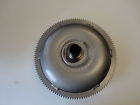
( Manufacturer Part Number: HO29 ), ( Part Type: Torque Converter ), ( Core Charge: 75 ), ( Country Of Manufacture: United States )
Review HONDA Speed 3.5l Up Code Pn3a Pn4a Torque Converter fits PILOT 2009
The Honda Pilot 3.5L 2009 up to 2021 (PN3A and PN4A) Torque Converter HO29 is a high-performance replacement part designed specifically for your vehicle's automatic transmission system. This torque converter is a crucial component that facilitates the smooth transition of power from the engine to the transmission, thereby ensuring optimal performance and fuel efficiency.
The HO29 Torque Converter is constructed using advanced materials and manufacturing techniques to deliver superior strength and durability. Its compact design ensures a perfect fit in your Honda Pilot's transmission system, while its optimized internal geometry enhances torque multiplication for improved acceleration and towing capabilities.
The HO29 Torque Converter features a robust, heat-resistant cover to protect against excessive heat build-up, ensuring reliable performance even under heavy load conditions. Its precision-machined turbine and stator vanes promote efficient fluid flow, reducing slip and improving overall transmission efficiency.
This torque converter is also designed with a lock-up clutch for seamless engagement of the engine and transmission, resulting in smoother shifts and reduced engine RPM during cruising. Its hydraulic control system ensures precise clutch engagement and disengagement, further enhancing transmission performance and fuel economy.
The HO29 Torque Converter is backed by a comprehensive warranty, giving you peace of mind knowing that you're investing in a high-quality replacement part that's built to last. With this torque converter, you can restore your Honda Pilot's performance and reliability, ensuring many more miles of enjoyable driving.
Pros of buying a 2009-up Honda Pilot with a 3.5L engine and PN3A/PN4A torque converter:1. Reliability: Honda is known for its durability and reliability, and the Pilot is no exception. The 3.5L engine is a powerful and reliable choice, and the PN3A/PN4A torque converter is a common and well-regarded option.
2. Fuel efficiency: The 3.5L engine is relatively fuel-efficient for its size, especially when compared to other V6 engines in its class.
3. Space: The Pilot offers plenty of interior space, making it a great choice for families or anyone who needs a lot of cargo room.
4. Safety: The Pilot has a strong safety record, with good crash test ratings and a full suite of safety features.
Cons of buying a 2009-up Honda Pilot with a 3.5L engine and PN3A/PN4A torque converter:1. Age: The 2009 model is relatively old, and some parts may be starting to wear out. This could lead to costly repairs down the line.
2. Fuel prices: While the engine is relatively fuel-efficient, fuel prices can be high, which could increase the cost of ownership.
3. Cost of maintenance: As with any vehicle, the Pilot will require regular maintenance, and some repairs can be expensive.
4. Depreciation: Like all vehicles, the Pilot will depreciate over time, which means you'll lose value as you drive it.
Conclusion:The 2009-up Honda Pilot with a 3.5L engine and PN3A/PN4A torque converter is a reliable and spacious vehicle that offers good fuel efficiency. However, it's an older model, which means it may require more maintenance and repairs as it ages. Additionally, as with any vehicle, fuel prices and depreciation can be factors to consider. Ultimately, whether or not this is the right vehicle for you depends on your specific needs and circumstances.
Recommendation:If you're looking for a reliable and spacious vehicle with good fuel efficiency, the 2009-up Honda Pilot with a 3.5L engine and PN3A/PN4A torque converter could be a good option. However, I would recommend doing your research and getting a thorough inspection of the vehicle before making a final decision. This will help you identify any potential issues and get a better sense of the vehicle's overall condition. Additionally, consider setting aside a portion of your budget for maintenance and repairs, as well as factoring in the cost of fuel and depreciation.
Details:
5l 2009 and up torque converter. Transmission id.
When rebuilding your transmission it is always recommended that you change the torque converter.
specifications torquconv:
- for models: Pilot
- for makes: Honda
- for years: 2009
- mpn: Ho29
- part type: Torque Converter
- core charge: 75
- country of manufacture: United States
Seller torquconv:
- zipcode: 11790
- city: Stony Brook, New York
Ratings:
- Good buyer, prompt payment, valued customer, highly recommended. 05-19-17
- good seller 05-08-17
- thanks 05-15-17
- Thanks 06-10-17
Returns torquconv:
- paid by: Buyer
- details: MUST BE IN ORIGINAL BOX ALONG WITH paypal RECEIPT.: ALL RETURNS HAVE A 25% RESTOCKING FEE. IF THERE IS A CORE CHARGE THAT IS 100% REFUNDED. SHIPPING CHARGES ARE NOT REFUNDABLE. ANY ITEM THAT IS INSTALLED CAN NOT BE RETURNED.
- type: Money back or replacement buyers choice
- time: 14 Days
- policy: returns accepted
Offer torquconv:
- quantity: 2
- Sold: 0
- bids: 0
- Started: June 14, 2017, 8:54 am
- best offer: false
Shipping torquconv:
- type: Calculated
- handling: 1 days
General torquconv:
- vehicle accessories > auto cartruck parts > engine transmissiondrivetrain > torque converters
- condition: Remanufactured
- in stock: Yes
Payments torquconv:
- PayPal
Honda HO29 Is Similar To:
- 062275j4000 Honda Oem 2016 Pilot-torque (41.9% similar) Right is passenger side. Please double check item specifications. All parts are in genuine packages, brand new sealed condition. At times the item purchased may be discontinued or back-ordered from manufacturer...(June 6th, 2017)
- 062275j4010 Honda Oem Converter (33.3% similar) Est, Mon to Fri. All airbag modules are also non returnable...(August 8th, 2018)
- 26000-p2e-305 Honda Automatic Transmission Torque Converter Civic Ex Lx Dx (22.7% similar) If you don't see a part need, please e-mail us with requests. Warranty does not cover installation...(October 5th, 2018)
- 26000-p8c-315 Honda Accord Oem Automatic Transmission Torque Converter Cylinder (19.6% similar) ...(March 19th, 2018)
- 26000-rgm-316 Honda Genuine Odyssey Torque (30.8% similar) Parts must be resalable and in the original packaging. Shipping carrier substitutions may be made at our determination in an attempt to reduce cost the customer. Electrical parts are not returnable. With variable Cl...(November 18th, 2017)
- 2600050p315 Honda Auto Trans Torque (34.5% similar) Warranting warranty...(April 4th, 2017)
- 260005b7305 Honda Oem 13-17 Accord-torque (28.1% similar) Est, Mon to Fri...(April 11th, 2017)
- 26000r40315 Honda Oem-torque Converter (32.8% similar) Est, Mon to Fri...(April 11th, 2017)
- 26000r5l305 Honda Oem 12-15 Crosstour-torque Converter (26% similar) ...(December 16th, 2016)
- 26000r60325 Honda Auto Trans Torque (34.5% similar) Warranting warranty...(April 4th, 2017)
- 26000rb0315 Honda Oem 09-13 Fit-torque Converter (25.4% similar) Warranting warranty...(February 17th, 2017)