MERCEDES 2102500602 Torque Converter Diesel Benz
fits model: W210, Turbo. make: Mercedes. year: 1998–1999.
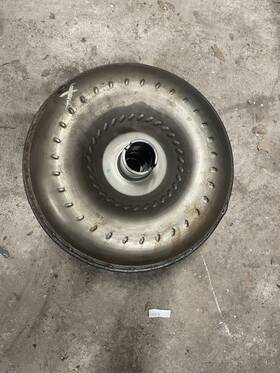
( Manufacturer Part Number: 2102500602 ), ( Part Type: Torque Converter )
Review MERCEDES benz Converter Diesel fits W210 TURBO 1998–1999
The **Mercedes-Benz 2102500602 98 Torque Converter for the W210 E-Class (Turbo Diesel)** is a precision-engineered transmission component designed to deliver seamless power transfer and enhanced performance in one of the most iconic and enduring sedan platforms from the legendary German automaker. Part of the robust **W210 E-Class lineup**, which spans models from the 1995 to 2002 production years, this torque converter is specifically tailored to accommodate the torque demands of the **OM611, OM616, or OM617 diesel engines**, which are renowned for their durability, efficiency, and robust torque output particularly in the turbocharged variants. Crafted with Mercedes-Benz s signature attention to detail, this torque converter features a **stamped steel housing** that ensures structural integrity under high-stress conditions, while the **multi-plate clutch assembly** is engineered to provide smooth engagement, reducing wear on the transmission and engine while maximizing power delivery. The **98-series designation** indicates its compatibility with the **722.6 automatic transmission**, a transmission known for its reliability and precision in handling the torque characteristics of Mercedes-Benz s diesel engines, making it an ideal fit for models like the **E200D, E220D, or E250D**. Whether restoring a classic E-Class to its former glory or upgrading an existing transmission for improved performance, this torque converter ensures a **smooth, responsive shift experience** while maintaining the efficiency and longevity for which Mercedes-Benz is celebrated. Built to exacting standards, it is designed to withstand the demands of daily driving, towing, or spirited acceleration, offering a perfect balance between performance and reliability for enthusiasts and professionals alike.
### **Pros and Cons of Buying a Mercedes-Benz W210 210 2.5L Turbo Diesel (1998) with Torque Converter**
#### **Pros**
1. **Reliability of the Engine**
The 2.5L OM611 diesel engine in the W210 is known for its durability, especially when properly maintained. This engine is robust and can handle high mileage with regular servicing. Many examples with over 200,000 miles still run well if the basics (fuel system, injectors, turbo) have been attended to.
2. **Fuel Efficiency**
Diesel engines in this class typically offer better fuel economy than gasoline alternatives, especially on highways. The 2.5L OM611 can achieve around **15-20 MPG combined**, depending on driving conditions, which is competitive for its time.
3. **Torque and Towing Capability**
The turbocharged diesel produces strong torque (around **143 lb-ft**), making it suitable for light towing (up to 2,000 lbs with proper equipment) and hauling. This is useful for owners who need a vehicle for work or outdoor activities.
4. **Classic Mercedes-Benz Build Quality**
The W210 chassis is sturdy, and many mechanical components (gearbox, suspension, drivetrain) are robust. With proper care, the car can last well beyond 200,000 miles.
5. **Aftermarket and Parts Availability**
As a mid-90s Mercedes, parts are still widely available, though prices may be higher than for newer models. The aftermarket offers a variety of upgrades, including performance chips, exhaust systems, and suspension modifications.
6. **Comfort and Ride Quality**
The W210 is known for its smooth ride, especially on highways. The diesel engine s low-end torque also contributes to a relaxed driving experience.
7. **Potential for Low Cost of Ownership (If Well-Maintained)**
If the car has been kept in good condition, running costs (fuel, basic maintenance) can be reasonable compared to modern luxury vehicles. However, major repairs (e.g., turbo, injectors) can be expensive.
---
#### **Cons**
1. **High Maintenance Costs Over Time**
While the engine is durable, diesel systems (fuel injectors, turbocharger, EGR, DPF in later models) require regular attention. Neglecting these can lead to costly failures. The W210 s complexity also means labor costs add up.
2. **Common Diesel-Specific Issues**
- **Fuel Injectors:** Carbon buildup and wear can cause misfires, poor performance, or failure. Injector cleaning or replacement is often needed every **80,000 120,000 miles**.
- **Turbocharger:** The turbo is a wear item and may need replacement if the car has high mileage or has been driven aggressively.
- **EGR Valve and DPF (if equipped):** The EGR system can clog, and some later models (post-2000) have DPF filters that require regeneration cycles, which can be problematic.
- **AdBlue (if equipped):** Some later diesel models require AdBlue, adding another maintenance point.
3. **Electrical and Computer Reliability**
The W210 s electronics can be finicky. Issues like faulty sensors, wiring problems, or software glitches (e.g., check engine lights, transmission shifts) are not uncommon. A full electrical diagnostic may be needed if the car has been poorly maintained.
4. **Transmission Concerns**
The **5-speed automatic (with torque converter)** is generally reliable but can develop slipping or rough shifting over time, especially if fluid changes were neglected. Some owners report issues with the **valve body or torque converter**, which can be expensive to repair.
5. **Rust and Bodywork**
Many W210s, especially those from colder climates, suffer from rust in the wheel arches, sills, and undercarriage. A thorough inspection of the body and chassis is essential before purchase.
6. **Depreciation and Resale Value**
The W210 is not a highly sought-after model for collectors, so resale value is low. If you plan to sell later, you may not recover much of your investment.
7. **Modern Compliance and Emissions**
The car may not meet current emissions standards in some regions, which could complicate registration or insurance in certain areas.
8. **Driving Experience Limitations**
- **Noise:** Diesel engines can be louder than gasoline alternatives, especially at idle.
- **Acceleration:** While torquey, the 2.5L diesel is not as quick as modern turbocharged gasoline engines. The 0-60 mph time is around **10-12 seconds**, which feels sluggish by today s standards.
- **Tech:** The infotainment and safety features are outdated compared to modern Mercedes.
9. **Insurance Costs**
Insurance for a high-mileage diesel Mercedes can be expensive, especially if the car has been modified or has a history of mechanical issues.
10. **Potential for Hidden Problems**
- **Coolant leaks:** The water pump and thermostat housing are common failure points.
- **Suspension wear:** Bushings, shocks, and struts may need replacement.
- **Brake system:** Rear drum brakes (if equipped) can wear out and require adjustment or replacement.
---
### **Ending Conclusion**
The **Mercedes-Benz W210 2.5L Turbo Diesel (1998) with a torque converter** is a **practical, fuel-efficient, and durable** vehicle if you prioritize reliability over modern luxury. It excels in **towing, long-distance driving, and low-speed torque**, making it ideal for owners who need a **workhorse or a comfortable daily driver** without the frills of a modern car.
However, **buying one comes with significant drawbacks**, particularly **high maintenance costs, diesel-specific failures, and potential electrical issues**. The car is **not a low-cost ownership** unless you are prepared for **regular upkeep** (fuel injectors, turbo, EGR, transmission fluid changes). It also **lacks modern safety and convenience features**, and its **resale value is poor**.
If you are **mechanically inclined, have a budget for repairs, and can find a well-documented example with low mileage and a clean service history**, this car can be a **great buy**. If you prefer **lower maintenance, better tech, and modern reliability**, a **used gasoline Mercedes (e.g., W203 E320, W204 E350) or a reliable non-luxury diesel (e.g., BMW 525d, Audi A6 2.5 TDI)** may be a safer alternative.
---
### **Recommendation**
1. **If you buy this car:**- **Get a pre-purchase inspection (PPI) from a Mercedes specialist** to check for **injector health, turbo condition, transmission fluid, and rust**.
- **Verify service records**, especially for **fuel system, turbo, and transmission maintenance**.
- **Budget for immediate repairs** (e.g., injectors, turbo, EGR, suspension).
- **Consider a lower-mileage example (under 150,000 miles) with a clean history** to minimize risks.
- **Be prepared for higher insurance and long-term maintenance costs**.
2. **If you re unsure:**- **Compare it to a used gasoline Mercedes (e.g., W203 E320 AMG, W204 E350)** for better reliability and modern features.
- **Consider a newer diesel (e.g., BMW 520d, Audi A4 2.0 TDI)** if you still want diesel efficiency with better warranty coverage.
- **If you love the W210 s character but want lower risk, look for a **lower-mileage example with a service agreement** or a **restored project car** (though these are rare and expensive).
**Final Verdict:** This car is a **good buy for the right buyer** someone who **values durability, fuel efficiency, and can handle maintenance**. For most casual buyers, however, the **risks outweigh the rewards**, and a more modern or gasoline-powered alternative may be wiser.
Details:
Mercedes Benz W210 torque converter. Good working condition. Mercedes part number. Fits the 722.6 diesel transmission.
From a 1999 E300 Turbo diesel.
part #: 2102500602 prices
- $175.00-$184.80
specifications torquconv:
- for models: W210, Turbo
- for makes: Mercedes
- for years: 1998-1999
- mpn: 2102500602
- part type: Torque Converter
general torquconv:
- Car Truck Parts Accessories > Transmission Drivetrain > Torque Converters
- condition: Used
shipping torquconv:
- cost: $89.25
- carrier: UPS
- type: Calculated
- class: Standard
- transit: 5-10 Days
- service: UPS Ground
seller torquconv:
- rating: 99.1%
- city: Bridgewater, Connecticut
- # reviews: 4314
returns torquconv:
- paid by: Buyer
- time: 60 Days
- policy: Returns Accepted
offer torquconv:
- options: Ship-to-home
- started: April 1, 2026
- quantity: 1
- best offers: True
- sold: 0
- availability: In Stock
payments torquconv:
- other
- wallet: Apple-pay
- credit card: Mastercard
Mercedes 2102500602 Is Similar To:
- 1112501502 Mercedes-benz Mercedes 250 Torque (44% similar) For sale is a used automatic transmission torque converter that was removed from 1967 mercedes 250SL, but will also work on other year and model with 6 bolt fly wheel or starter ring gear. The number stamped into housing are R1010295, 0205K, K1789 3N, R1010469. All others please with zip code for ...(February 12th, 2018)
- 1152500002 Mercedes Torque Converter Auto Clutch Se Sel Steel (52.4% similar) For sale is a used steel type automatic transmission torque converter that was removed from 1970 mercedes 280SE, but will also work on other year and model with 6 bolt fly wheel or starter ring gear. All others please with zip code for shipping quote...(March 19th, 2018)
- 1722500102 Mercedes-benz Mercedes Oem 2016 (41.1% similar) ...(February 13th, 2018)
- 2092500602 Rebuilt Torque Converter Mercedes Benz (56.1% similar) Replaced worn clutch lining and bond linings with top quality brands. Lock-up pistons are machined and balanced in-house to ensure true piston. If the unit fails due to an improper placement, leaks, transmission faults and other issues etc. High pressure leak tests are performed in a special welding...(March 29th, 2018)
- 2102500502 Mercedes Benz Torque Converter (52.8% similar) 3l engines on their respective transmissions for 2000 mercedes benz c 230 3l fits on part mercedes benz c 230K torque converter...(January 5th, 2019)
- 2102500902 Mercedes Oem Automatic Transmission Torque Converter (43.8% similar) W203 mercedes 2005 C240 oem automatic transmission torque converter. Shipped with FedEx ground or home delivery. Condition is used...(February 24th, 2019)
- 211-250-08-02-80 Mercedes-benz Genuine Torque Converter (51.7% similar) Any and all cores must be original mercedes-benz oem parts. All cores must be cleaned, drained of any and fluids, when applicable in the original packaging purchased part. All parts must be resalable and in the original packaging. Please feel free to contact one of our mercedes-benz parts experts ...(March 4th, 2017)
- 2112500802 Mercedes Benz 03-11 W219 (34% similar) Automatic transmission location m 1 note: images shown are representing the part number in , and may not come with attached hardware that you see. Help coming soon. Expedited shipping is available. Please for a quote. Please if you prefer to pay over the phone. If an item arrives damaged, please via...(April 26th, 2017)
- 221-250-03-02-80 Mercedes-benz Genuine Torque Converter (51.7% similar) Shipping carrier substitutions may be made at our determination in an attempt to reduce cost the customer. Parts must be resalable and in the original packaging. All genuine mercedes parts come with a 2 year manufacturers warranty. Electrical parts are not returnable...(July 6th, 2017)
- 221-250-18-02-70 Mercedes-benz Genuine Torque Converter (51.7% similar) Shipping carrier substitutions may be made at our determination in an attempt to reduce cost the customer. Parts must be resalable and in the original packaging. All genuine mercedes parts come with a 2 year manufacturers warranty. Electrical parts are not returnable...(July 6th, 2017)
- 221-250-18-02-80 Mercedes-benz Genuine Torque Converter (51.7% similar) Part: 221-250-18-02-80 prices...(June 21st, 2017)