BMW 10873221948639 Automatic Transmission Torque Converter
fits model: 550i, 535i, Gt. make: Bmw. year: 2010–2015.
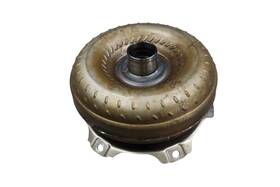
( Manufacturer Part Number: 10873221948639 ), ( Part Type: Torque Transmission Converter ), ( Ipn: 10-15 ), ( Manufacturer Warranty: 3 Months ), ( Output Shaft Diameter: Oem ), ( Vintage Part: No ), ( Country Of Origin: Germany )
Review BMW Automatic Transmission Torque Converter Oem fits 550I 535I GT 2010–2015
The **BMW 10873221948639** is a high-performance, factory-direct torque converter designed exclusively for the **BMW E60/E61 5-Series (2004 2010) 550i and 535i models** equipped with an **automatic transmission (ZF 5HP19 or 5HP24)**. This premium component represents BMW s engineering excellence, engineered to deliver seamless power transfer, enhanced acceleration, and a refined driving experience while maintaining the vehicle s original performance integrity. Crafted from high-grade aluminum alloy, the torque converter is precision-machined to exacting specifications, ensuring optimal fluid dynamics and torque multiplication critical for the robust output of the **N62 6.0L V12 (550i)** and **N54 3.0L Twin-Turbo V6 (535i)** engines. Its robust construction includes a **multi-plate clutch pack** with optimized friction material, designed to handle the high torque demands of these high-performance powertrains without slipping or overheating, even under aggressive driving conditions. The torque converter features a **stator lockup mechanism**, which engages at higher speeds to reduce drag and improve fuel efficiency, while the **impeller and turbine blades** are contoured for maximum efficiency, minimizing energy loss during power delivery. This part is a direct replacement for the original equipment (OEM) torque converter, ensuring a perfect fit with the transmission s pump housing and torque converter housing, eliminating the need for modifications. Ideal for both restoration projects and performance upgrades, this torque converter enhances the responsiveness of the automatic transmission, making it an essential component for enthusiasts seeking to restore or augment the driving dynamics of their BMW 5-Series. Whether used in a daily driver or a high-performance setup, the **BMW 10873221948639** ensures a smooth, powerful, and reliable shift experience, embodying the brand s commitment to precision engineering and driving pleasure.
### **Pros and Cons of Buying a BMW 5 Series (E60/E61) 535i/550i (2010-2015) with Automatic Transmission**
#### **Pros**
1. **Strong Performance and Driving Dynamics**
- The 535i (N54 engine) and 550i (N63 engine) offer powerful V8 and twin-turbo V6 engines, respectively, delivering strong acceleration and engaging driving experiences.
- The N54 (535i) is known for its balanced power delivery, while the N63 (550i) provides even more torque and a more aggressive stance.
- Manual transmission models exist, but the automatic (ZF 6HP21 or 6HP26) is smooth and well-matched to the engines.
2. **Luxury and Comfort**
- BMW s signature luxury interior with high-quality materials, ergonomic seating, and advanced infotainment (iDrive 5, later models).
- Spacious cabin with good rear legroom, making it practical for families or long trips.
- Comfortable suspension settings (available in "Comfort" mode) reduce road noise and vibrations.
3. **Reliability (Compared to Earlier Models)**
- The E60/E61 generation saw improvements in build quality and reliability over the E39/E46.
- The N54 engine (535i) is robust if maintained properly, though it has some known issues (e.g., oil consumption, carbon buildup).
- The N63 (550i) is more complex but can be reliable with proper servicing especially if the turbocharger and oil system are well-maintained.
4. **Resale Value**
- BMW 5 Series models in this range hold their value reasonably well, especially well-maintained examples.
- The 550i (V8) tends to retain value better than the 535i (V6) due to higher perceived performance.
5. **Aftermarket and Modification Potential**
- Strong aftermarket support for tuning (e.g., MHD, BMS, or custom ECU flashing) to improve performance.
- Availability of performance parts (e.g., exhaust, suspension upgrades) to enhance handling.
6. **Safety Features**
- Standard features like stability control, multiple airbags, and advanced braking systems (e.g., DSC, EBD).
- Later models (2012 ) may include additional safety tech like adaptive cruise control (optional).
7. **Availability of Used Parts**
- As a well-established model, finding replacement parts is relatively easy, though some components (e.g., turbochargers, sensors) can be expensive.
---
#### **Cons**
1. **Engine Reliability Issues**
- **N54 (535i):** Known for oil consumption (especially in early models), carbon buildup (due to direct injection), and potential timing chain stretch over time. Regular oil changes (synthetic, high-quality) and valve cleaning are essential.
- **N63 (550i):** More complex with twin turbos, which can fail prematurely if not maintained. Oil leaks, turbo wastegate issues, and high oil consumption are common problems. The high-pressure fuel system is also a potential weak point.
- Both engines require diligent maintenance to avoid costly repairs.
2. **High Maintenance Costs**
- BMWs are expensive to service, especially with OEM parts or labor. Independent mechanics may charge less but risk lower quality.
- Consumables like spark plugs, oxygen sensors, and fuel injectors can be costly to replace.
3. **Transmission Problems (Automatic Models)**
- Some ZF 6HP transmissions in this era have reported issues with rough shifting, delayed engagement, or solenoid failures, particularly in high-mileage examples.
- A transmission rebuild or replacement can be a significant expense ($3,000 $5,000 ).
4. **Electrical Gremlins**
- BMWs of this era are notorious for electrical issues, such as:- Faulty sensors (e.g., camshaft position, crankshaft).
- Infotainment glitches (iDrive freezing, head unit failures).
- Window regulators, door locks, or seat motor failures.
- These issues can be frustrating and costly to diagnose.
5. **Fuel Economy**
- The 535i and 550i are thirsty cars, especially the V8. Expect around **12 16 MPG (city/highway)** for the 535i and **10 14 MPG** for the 550i. Diesel alternatives (e.g., 535d) are more efficient but have different trade-offs.
6. **Depreciation**
- While the 5 Series holds value better than some BMWs, it still depreciates significantly over time. A 2010 2015 model will lose a substantial portion of its value within 5 7 years.
- Luxury car insurance can also be expensive for high-performance models.
7. **Rust and Body Issues**
- Older BMWs (especially those from wet climates) can suffer from rust in wheel wells, rocker panels, and undercarriage. A thorough inspection is critical.
- Paint quality and alignment issues may require attention.
8. **Noise and Vibration**
- The N54 and N63 engines can be noisy, especially at higher RPMs. The cabin can feel less insulated than some competitors (e.g., Mercedes E-Class).
- Road noise is noticeable, though the "Comfort" setting helps.
9. **Limited Fuel Choices**
- The 550i (N63) requires premium fuel (91 octane) and may suffer from performance issues on lower-quality fuel.
- The 535i (N54) is more forgiving but still benefits from high-quality fuel.
10. **Resale Market Competition**
- The used market is saturated with BMW 5 Series models, so finding a truly "clean" example can be challenging. Always verify service history.
---
### **Key Considerations Before Buying**
1. **Service History:** Ensure the car has been maintained by a BMW dealer or a trusted mechanic. Look for:- Regular oil changes (every 5,000 7,500 miles for synthetic).
- Timing chain inspection/replacement (N54) or turbo service (N63).
- Transmission fluid changes (every 60,000 100,000 miles).
- No history of neglect (e.g., skipped maintenance, oil changes with cheap oil).
2. **Pre-Purchase Inspection (PPI):** Always get a professional inspection, especially for:- Engine compression and oil consumption tests (N54/N63).
- Transmission fluid condition and solenoid function.
- Electrical system (scan for codes, test sensors).
- Rust and structural integrity.
3. **Test Drive:** Pay attention to:- Smoothness of the automatic transmission (no jerks or delays).
- Engine noise (unusual rattles, whines, or ticking).
- Suspension comfort (excessive bouncing or clunks).
- Braking performance (check for pulsation or grinding).
4. **Budget for Repairs:** Be prepared for potential future costs, especially:- Turbocharger replacement (N63: $2,000 $4,000 ).
- Transmission rebuild ($3,000 $5,000).
- Electrical repairs (e.g., head unit, sensors).
- Suspension or steering component wear.
5. **Alternatives to Consider:**- **BMW 530i (N55):** Less powerful but simpler and more reliable than the N54/N63.
- **Mercedes E350/E550:** May offer better long-term reliability and lower maintenance costs.
- **Audi A6 3.0T/4.0:** Strong performance with a more straightforward turbocharged engine.
- **Lexus GS 350/450h:** More reliable luxury sedan with hybrid options.
---
### **Final Recommendation**
**Buy the BMW 535i/550i (2010 2015) if:**- You prioritize **performance and driving enjoyment** over absolute reliability.
- You are **willing to invest in maintenance** (budget $1,000 $2,000/year for upkeep).
- You find a **well-documented, low-mileage example** (under 80,000 miles) with a **clean service history**.
- You are prepared for **potential future repairs**, especially for the N63 engine or transmission.
- You enjoy **luxury and sporty handling** and don t mind higher insurance costs.
**Avoid or be extremely cautious with:**- High-mileage examples (over 100,000 miles) without full service records.
- Cars with **oil leaks, turbo issues (N63), or transmission problems**.
- Examples where the seller cannot provide **proof of maintenance** (especially oil changes).
- If you re not comfortable with **BMW s reputation for electrical and mechanical quirks**.
**Best Choice Within This Range:**- **535i (N
Details:
Please match part number to ensure fitment. Fitment and Compatibility. All of the parts are tested either before or after removal from vehicle. As a result of it being used part, the item may show light scuffs, scratches, or other imperfections.
This part may fit one or all of the described vehicles. Shipping prices for ground apply only to the continental states of USA.
part #: 10873221948639 prices
- $54.91-$210.62
specifications torquconv:
- for models: 550i, 535i, Gt
- for makes: Bmw
- for years: 2010-2015
- mpn: 10873221948639
- part type: Torque Transmission Converter
- ipn: 10-15
- manufacturer warranty: 3 Months
- output shaft diameter: Oem
- vintage part: No
- country of origin: Germany
shipping torquconv:
- type: Fixed
- service: Flat Rate Freight
- cost: $100.00
- class: Freight
seller torquconv:
- # reviews: 1008
- city: Yuba City, California
- rating: 99.9%
payments torquconv:
- other
- wallet: Google-pay
- credit card: Visa
offer torquconv:
- availability: In Stock
- best offers: True
- sold: 0
- options: Ship-to-home
- started: February 16, 2026
- quantity: 1
general torquconv:
- Car Truck Parts Accessories > Transmission Drivetrain > Torque Converters
- condition: Used
returns torquconv:
- time: 30 Days
- policy: Returns Accepted
- paid by: Buyer
Bmw 10873221948639 Is Similar To:
- 18307505321 Bmw 740 540 Cat Converter (39% similar) For drivers side only will fit 540 and 740 engines. Up for sale is a used converter with 130K miles bmw v8 M62 engine genuine no issues...(February 15th, 2017)
- 209302 Bmw Torque Converter (37% similar) ...(June 18th, 2018)
- 24-40-1-421-429 Bmw Genuine Torque Converter (40% similar) ...(November 15th, 2018)
- 24001219745 Bmw Oem E32 V12 (13% similar) Came off a 750IL with 160K. Car was running and driving transmission worked as it should. This will fit any bmw on the list below, details for exact years. Oem bmw M70 V12 automatic transmission in great working condition...(March 30th, 2017)
- 24008632218 Bmw Auto Trans Torque (45.6% similar) ...(July 26th, 2017)
- 24157647836 Bmw Oem Transmission Active Hybrid Drive Torque Converter Stator (45.9% similar) Expedited shipping is often available in rush situations, please for rates before purchasing. Guaranteed 100 functional. Bmw oem GA8P70H transmission active hybrid drive torque converter stater F30 F10 part condition id 14871GENUINE oem, tested - removed from a low mileage 2013 535I...(November 13th, 2018)
- 24231217222 Bmw Zf Automatic Transmission Torque Converter Oem (67.1% similar) This came from a running and driving 1990 535I showing 191,800 miles. C bumper, inc. The transmission was tested extensively prior to car being dismantled including 60 miles of driving in all conditions, it functioned normally. This is a c7 code torque converter. Torque converter this is a used ...(November 7th, 2018)
- 24239880 7596066 80457 Unbranded Torque Converter Bmw Si (48.2% similar) Part: 24239880 prices...(April 12th, 2019)
- 24347544922 Bmw Auto Trans Torque (36.8% similar) ...(May 12th, 2017)
- 24401423243 Bmw Torque Converter For Automatic Transmission Oem (47.2% similar) Rarely, large or difficult to package items will take a day two longer. When fitment information includes a this means part will only fit some of cars within given model year, depending on car was manufactured. Or if we say the part fits it will fit 1999 model year vehicles and up to including ...(April 24th, 2019)
- 24401423393 Bmw Oem 97-00 Z3 (12.8% similar) Est, mon to Fri...(May 15th, 2017)